
Have you ever thought about why some scary scenes are so intense? It’s because of the sound. A perfectly timed jumpscare sound effect can turn a normal scene into a terrifying one. Sounds reach your brain faster than what you see, so you can’t prepare for them. Even silence can make you nervous because it hints at danger. These elements work together to heighten your fear and interest. Studies show that using scary sounds like screams or crashes, including a well-placed jumpscare sound effect, can make videos more exciting and pull you into the story.
“The more you get into a movie, the easier it is to scare you.“
Key Takeaways
Add different jumpscare sounds like screams and loud crashes to make your horror content scarier.
Timing matters a lot; use sudden sounds after quiet parts for a bigger scare.
Try mixing sounds together and changing the volume to make it feel more real and scary.
Origins of Jumpscare Sound Effects: A Breakdown for Horror Media Enthusiasts
1. Early Horror Films: Setting the Standard for Fear
The foundation of jumpscare sound effects can be traced back to iconic horror films like Psycho (1960). Alfred Hitchcock’s use of shrill violins during sudden, tense moments revolutionized the genre, establishing a technique that filmmakers continue to emulate today.
These sounds are characterized by their high-pitched, jarring nature, designed to evoke a visceral reaction from audiences. By amplifying psychological tension, early horror films turned simple musical cues into powerful tools for emotional shock—a technique still widely used in modern cinema.
2. Game Design: Bringing Jumpscares Into Interactive Terror
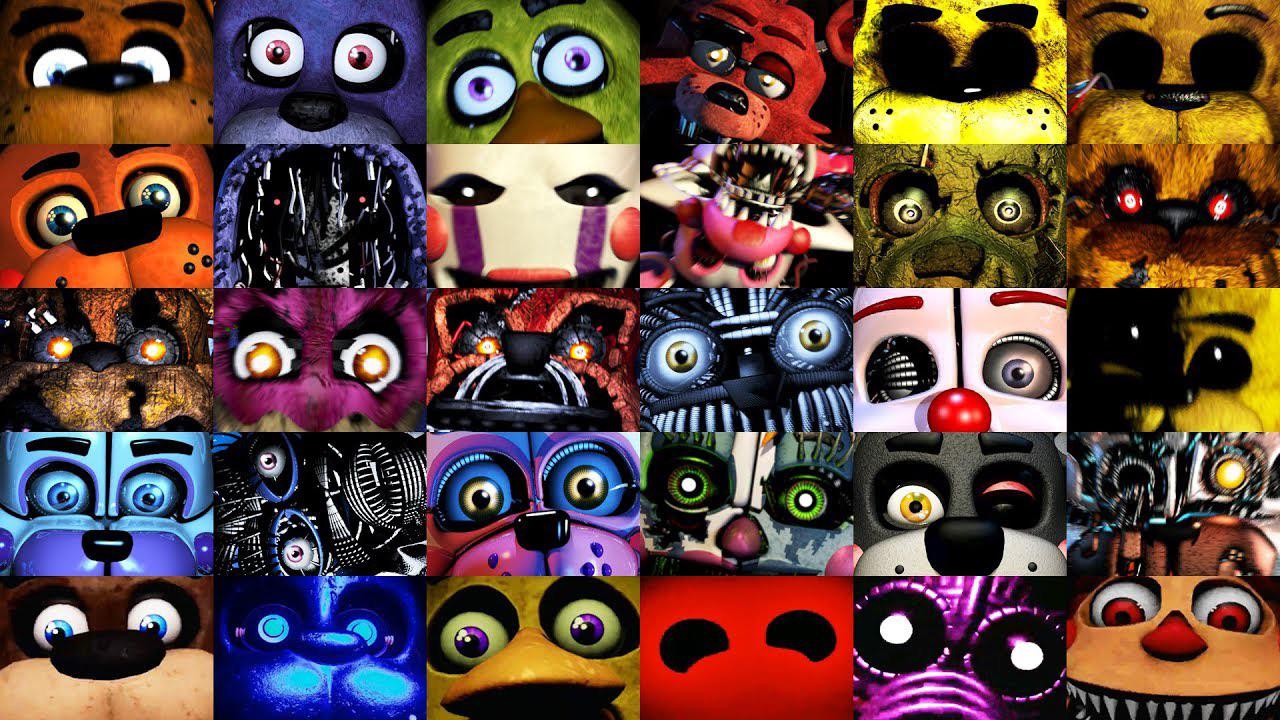
Video games have taken jumpscare sound effects to a whole new level, immersing players in terrifying environments. Games like Five Nights at Freddy’s (2014) redefined the use of sound by incorporating sudden, loud, and distorted effects paired with unpredictable animatronic attacks. This combination creates genuinely intense scares that resonate with players.

Even before FNaF, survival horror games such as Resident Evil perfected the art of ambient sound cues, monster noises, and sudden audio bursts—elements designed to prey on a player’s instinct to react to danger. The integration of jumpscare sounds has since become a hallmark of interactive horror experiences, proving their effectiveness in engaging and frightening players.
3. Audio Libraries: Professional Resources for Horror Creators
Modern creators often source jumpscare sound effects from professional audio libraries, which offer a vast collection of high-quality sounds designed specifically for horror media. Platforms like Dubbing AI, Freesound, and premium Hollywood sound design libraries have become indispensable tools for filmmakers, video game developers, and content creators.
These libraries provide jumpscare sounds ranging from piercing screams to ominous environmental effects, ensuring creators can access the perfect blend of realism and terror. They make high-level sound crafting more accessible while maintaining professional-grade production standards.
Top 10 Jumpscare Sound Effects for 2025
When making scary moments, the right sound is key. Here’s a list of the best jumpscare sound effects for 2025 to boost your horror content.
Sudden Scream
A loud scream grabs attention fast. It’s a classic jumpscare sound effect that triggers deep fear. Picture a calm scene, then suddenly—BAM!—a scream breaks the silence. It’s great for shocking your audience. Don’t use it too much, though, or it won’t feel as scary.
Heartbeat Surge
A heartbeat sound builds tension quickly. It makes viewers feel nervous as it gets louder and faster. This sound mimics fear and raises excitement. Add a sudden visual scare, and it becomes unforgettable.
Metallic Crash
This sound is sharp and loud, like metal hitting the floor. It’s perfect for surprising moments, like a door slamming or an object falling. The metallic crash adds chaos and energy to your scene.
Demonic Growl
A deep growl can make anyone feel uneasy. It’s great for monster or ghost stories. This sound hints at danger hiding in the dark. Mix it with other scary sounds for extra chills.
Static Burst
Static bursts are short and creepy. They work well with broken TVs or radios. The unnatural noise makes people uncomfortable. Use it to keep your audience on edge or as a transition sound.
Door Slam Echo
A door slam is scary, but an echo makes it worse. The lingering sound adds fear and makes scenes feel more isolated. It’s perfect for haunted houses or trapped characters.
Whispering Shadows
Soft whispers in the background feel spooky. They make people uneasy without knowing why. It’s like something is watching from the dark. Use it to build suspense before a big scare.
Glass Shatter
Breaking glass is loud and shocking. It’s great for chaotic scenes, like windows breaking or mirrors shattering. The sudden sound paired with action can make viewers jump.
Sinister Violin Stab
A quick, high violin note is a horror classic. It’s intense and dramatic, often used during sudden attacks or reveals. This sound works best when timed perfectly with the action.
Reverse Reverb Hit
This sound feels strange and builds up to a loud impact. It’s like a “pulling” noise that surprises the audience. Use it to create unexpected and unique scares.
Pro Tip: Mix these sound effects together for layered scares. For example, pair a demonic growl with a heartbeat surge for a truly terrifying moment.
How to Use Jumpscare Sound Effects Effectively
Timing is Everything
Timing is key for a good jumpscare sound effect. It should surprise your audience. A loud sound after silence works well. Picture someone walking in a quiet hallway. As they turn a corner, a scream or crash happens. This sudden noise makes people jump. Practice matching sounds with actions for the best results.
Layering for Depth
Adding layers to sounds makes scenes feel real. Don’t use just one sound. Combine effects to make it more exciting. For example:
Reverb and Delay: These make sounds feel bigger and more natural.
Layering Footsteps: Mix sounds like crunching gravel or creaking wood.
Creating Depth: Place sounds close, far, and in-between for more detail.
These tricks turn simple sounds into great storytelling tools.
Matching Sound to Visuals
Sounds should match what’s happening on screen. If they don’t fit, the scare won’t work. Studies show matching sounds and visuals helps people understand better. For example, SonicVisionLM found better timing and accuracy with aligned sounds. When sound and visuals match, the scare feels smooth and real.
Experimenting with Volume
Volume changes how scary a sound feels. A soft whisper can be creepy, like a loud crash. Start quiet, then make it loud for a shock. Use quiet parts with sudden loud bursts to keep people nervous. Test different volumes to find what works best for your scene.
Why Choose Dubbing AI for Your Horror Content Needs

High-Quality Jumpscare Sound Effects
When it comes to creating spine-chilling moments, sound quality matters. Dubbing AI offers a professional-grade sound effects library that’s perfect for horror creators. You’ll find everything from eerie whispers to heart-stopping crashes. Each sound is crafted to deliver maximum impact, ensuring your audience feels every scare.
What makes these sounds stand out? They’re crisp, realistic, and designed to fit seamlessly into your scenes. Whether you’re working on a haunted house video or a suspenseful short film, you can count on Dubbing AI to provide the perfect jumpscare sound effect. Plus, the library is constantly updated with fresh, innovative sounds to keep your content ahead of the curve.
User-Friendly Tools for Content Creators
Dubbing AI doesn’t just stop at great sounds. It also offers tools that make your life easier. The platform is designed with creators in mind, so you don’t need to be a tech expert to use it. Drag-and-drop features, intuitive controls, and quick previews let you experiment with sound placement effortlessly.
Need to tweak a sound? No problem. You can adjust volume, add effects, or layer multiple sounds in just a few clicks. These tools save you time and help you focus on what really matters—telling a terrifying story. With Dubbing AI, you’ll have everything you need to bring your horror vision to life.
The 10 best jumpscare sounds—like sudden screams, metallic crashes, and violin stabs—each add something special to your horror scenes. Try using these sounds to see which fits your story best. Want to make your scares even better? Explore Dubbing AI’s tools and create amazing scary moments now!
FAQ
What makes a jumpscare sound effect effective?
A good jumpscare sound catches you off guard. It’s quick, loud, and fits the moment. Quiet moments before the sound make it even scarier.
Can I use free sound effects for my horror content?
Yes, you can find free sound effects online. Always check the rules to make sure you’re allowed to use them in your work.
How do I avoid overusing jumpscare sounds?
Don’t use too many jumpscares. If you do, they’ll feel boring. Build tension and time each sound carefully for the best scare.
Pro Tip: Mix loud scares with quiet parts to keep viewers interested and nervous.
See Also
Maximize Your Roblox Experience With Effective Sound Buttons
Top AI Voice Changer Options for Creative Professionals
Three Hilarious Voice Changer Pranks for CS:GO Players
Get Ready for Space Marine 2 Using Sound Buttons
Selecting the Perfect Voice Changer and Soundboard for Gamers

Related Posts